

By M2R Groups – Where Smart Brands Avoid Dumb Mistakes.
Why M2R Loves Studying Brand Fails
At M2R, we have a little secret: we don’t just celebrate brand wins… we study the disasters. Because in every flop, there’s a golden branding lesson hiding in plain sight.
When a brand nails it, it’s inspiring. But when a brand trips, falls, and faceplants on a global stage? It’s unforgettable. That’s why M2R’s strategy team often analyses these “what were they thinking?” moments to help our clients dodge the same fate.
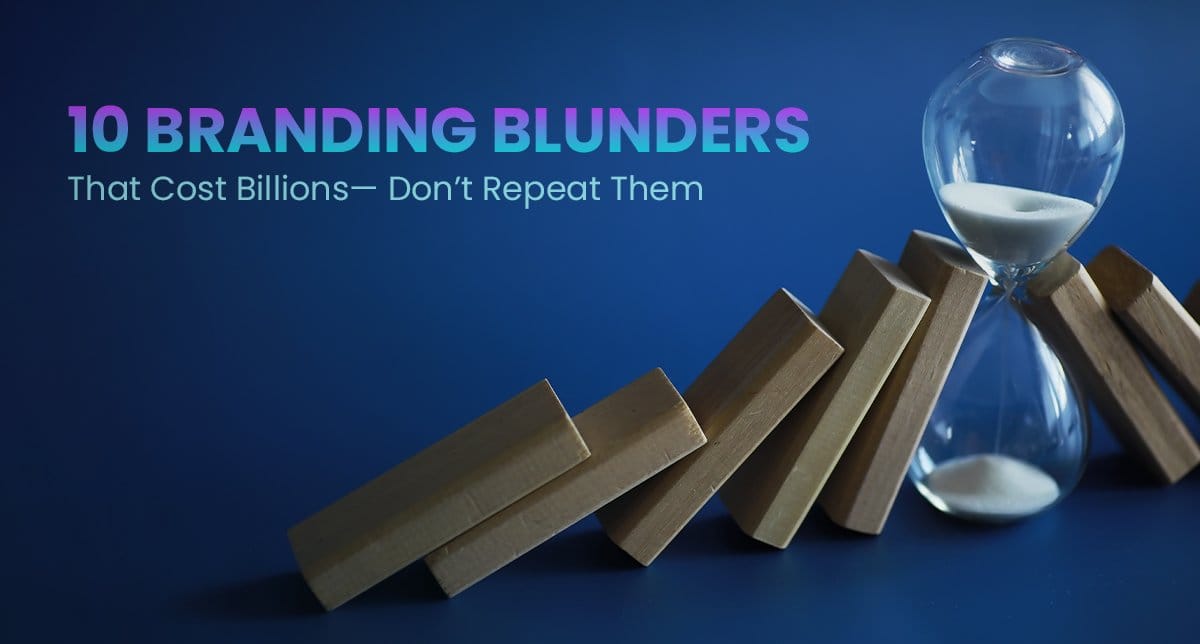
So, let’s buckle up. Here are 10 iconic brand fails, explained with all the drama, humor, and takeaways you need to make sure your own brand never makes the list.
1. Colgate Kitchen Entrees – Because Nothing Says ‘Dinner’ Like Toothpaste
Colgate is the name you trust for minty-fresh smiles. But in the 1980s, they thought, Why not frozen lasagna too?
Spoiler: Because nobody wants to imagine brushing their teeth halfway through spaghetti bolognese.

The M2R Breakdown:
Colgate’s move clashed with its core brand identity. Consumers couldn’t mentally connect “oral hygiene” with “hearty beef stew,” and the result was instant rejection.
M2R Lesson: Brand extension works best when it feels like a natural step—not a leap over a canyon.
2. Ford Edsel – The Overhyped Underdeliverer
Ford’s 1957 Edsel launch was backed by years of market research, millions in advertising, and the promise of revolutionizing cars forever. Instead, it became the poster child for corporate flop.
Why It Failed:
The design was odd, the timing was off (recession), and the hype was so high that nothing could live up to it.

M2R Lesson: At M2R, we always remind clients—hype should match reality. Promise only what you can overdeliver.
3. Hoverboards – Cool Until They Caught Fire
2015’s hottest gadget literally became too hot to handle. Reports of hoverboards bursting into flames led to bans, recalls, and a PR nightmare.

Why It Failed:
In the race to capture a trend, brands skipped rigorous quality checks.
M2R Lesson: Fast is fine. Reckless is fatal. M2R advises speed with a seatbelt—launch quickly, but never at the expense of safety and trust.
4. MoviePass – Unlimited Movies, Unlimited Losses
For $9.95/month, MoviePass promised unlimited theater tickets. Customers loved it. Investors… not so much. The business model collapsed under its own generosity.

Why It Failed:
The pricing was unsustainable; the more customers used it, the more money MoviePass lost.
M2R Lesson: At M2R, we stress-test business models. If your numbers break when your product succeeds, you’ve built a time bomb.
5. Sears – The Giant That Overslept
Once America’s biggest retailer, Sears practically invented home shopping with its catalog. But when e-commerce rose, Sears hit snooze. Amazon didn’t.

Why It Failed:
They treated online retail as a side project, not the future.
M2R Lesson: Market shifts don’t wait for anyone. M2R constantly tracks trends so brands pivot before the ground shifts.
6. Google+ – Social Without the Social
Google wanted to dethrone Facebook. They launched Google+, integrated it into Gmail, YouTube… basically forced it everywhere. But users never embraced it.

Why It Failed:
It lacked a unique value proposition. Joining felt like a chore, not a choice.
M2R Lesson: M2R tells clients—if you’re entering an established space, bring something people can’t get elsewhere.
7. BlackBerry – From Boardroom Hero to Relic

BlackBerry was the status symbol for professionals. Secure emails, physical keyboard, unmatched reliability. Then came the iPhone, and suddenly, everyone wanted big touchscreens and apps.
Why It Failed:
They underestimated how quickly consumer preferences could shift.
M2R Lesson: Loyalty is great—until innovation offers something better. M2R helps brands avoid this trap by keeping future-focused roadmaps.
8. Bud Light – Knowing Your Audience Isn’t Optional

In 2023, Bud Light ran a campaign that alienated a significant chunk of its loyal drinkers, leading to a sales dip and social media backlash.
Why It Failed:
They misread the emotional temperature of their core audience.
M2R Lesson: At M2R, every bold campaign is audience-tested to ensure impact without alienation.
9. Kodak – Inventor of the Camera They Ignored

Kodak literally created the digital camera in 1975. But they hid it to protect their film business. Competitors seized the opportunity, and Kodak filed for bankruptcy in 2012.
Why It Failed:
They protected the past instead of owning the future.
M2R Lesson: M2R constantly challenges clients to disrupt themselves before someone else does.
10. Toys “R” Us – Nostalgia Can’t Pay the Bills

The toy store every kid loved couldn’t adapt to the e-commerce boom. Debt and changing play habits (hello, tablets) pushed it into bankruptcy.
Why It Failed:
They banked on nostalgia instead of evolving the experience.
M2R Lesson: At M2R, we balance emotional branding with hard-nosed business reality—because both matter.
The M2R Closing Thought
Every one of these stories is a reminder:
-
- Brand relevance isn’t a one-time win—it’s a constant battle.
-
- Innovation is risky, but stagnation is lethal.
-
- Your audience decides your success, not your boardroom.
At M2R Groups, we help brands avoid these mistakes by blending creative vision with market reality. Our mission is simple: make sure your name shows up on success stories, not brand fail lists.
 Think your brand is ready for its next chapter? Let’s Talk at M2R