
If you have searched anything on Google recently, you have almost certainly seen it — a large, AI-generated summary sitting above every traditional blue link on the page. That block is called a Google AI Overview, and it is the most valuable piece of real estate in search today.
Businesses that appear inside that AI box are not just getting a click. They are being cited as authoritative sources — front and centre — before a single competitor’s result appears. At M2R Groups, we call this the shift from SEO to AEO: Answer Engine Optimisation. This guide gives you the complete, practical playbook to rank in Google AI Overviews in 2026.
━━━━━━━━━━━━━━━━━━━━━━━━━━━━━━━━━━━━
WHAT ARE GOOGLE AI OVERVIEWS AND HOW DO THEY WORK?
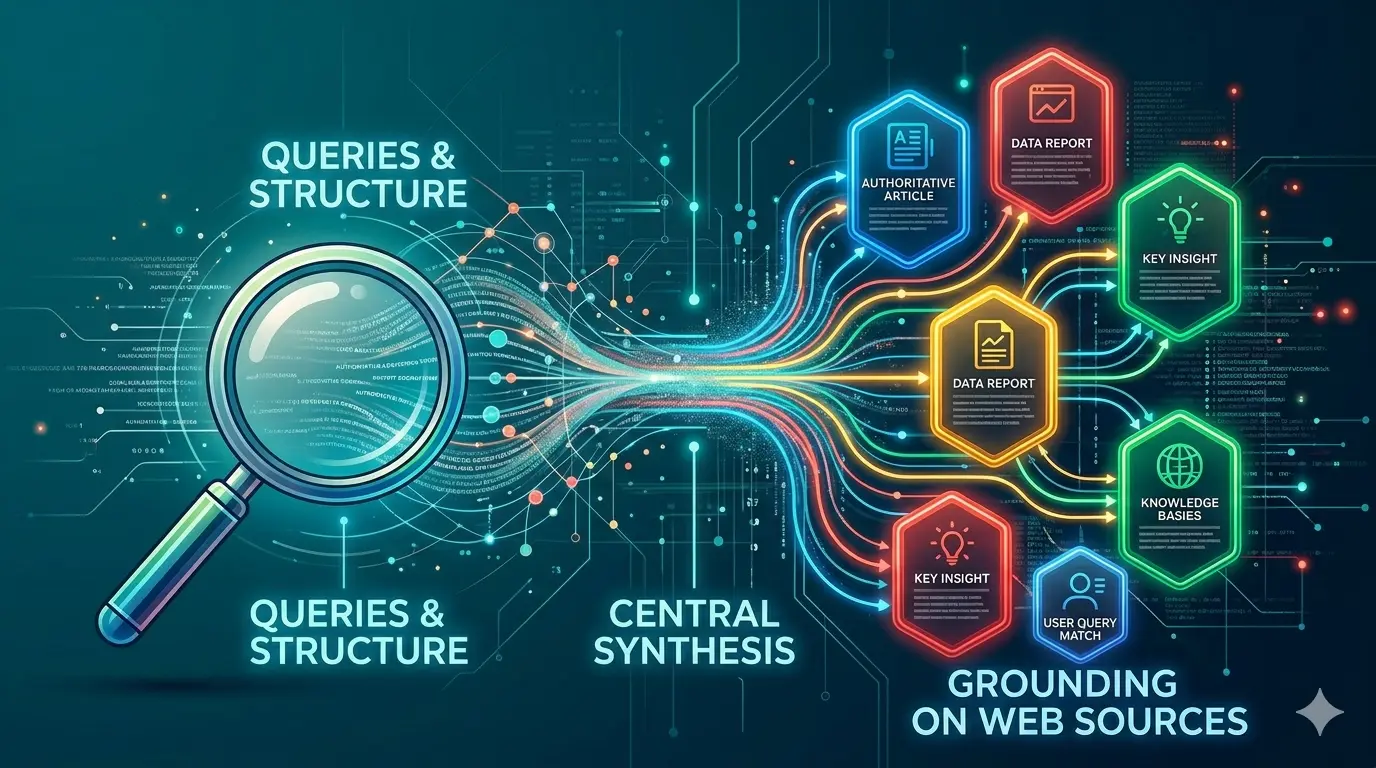
Google AI Overviews — formerly called Search Generative Experience (SGE) — are AI-generated answer summaries powered by a customised version of Google’s Gemini model. Instead of pointing users to one result, the Overview scans the top 10–20 organic results, synthesises the most credible information, and delivers a direct answer at the top of the page.
Three things every business owner must understand:
- Fan-out logic: The AI breaks your search query into sub-topics and scans multiple sources simultaneously before composing its response.
- Citations matter: The Overview includes small citation cards linking to the websites it used. Being cited is the new Page 1 result.
- Trigger queries: Most common for “What is,” “How to,” “Why,” and comparison searches — the exact questions your potential clients type every day.
━━━━━━━━━━━━━━━━━━━━━━━━━━━━━━━━━━━━
WHY TRADITIONAL SEO IS NO LONGER ENOUGH IN 2026
Classic SEO optimised for clicks. AEO optimises for citations. The goal is no longer to rank on Page 1 — it is to become the source the AI quotes. This requires a different content architecture, a stronger trust-signal framework, and a more intentional topical strategy.
The businesses that invest in AEO now will enjoy a compounding advantage as AI-generated answers become the default Google interface. Here is the exact five-step framework we use at M2R Groups.
━━━━━━━━━━━━━━━━━━━━━━━━━━━━━━━━━━━━
THE 5-STEP AEO FRAMEWORK FOR RANKING IN GOOGLE AI OVERVIEWS
STEP 1: THE BLUF PRINCIPLE — PUT THE ANSWER FIRST
Google’s Gemini AI is trained to pull citable blocks — short, direct, standalone answers that can be extracted from a page without needing surrounding context. In practice, the AI almost always lifts the first 40–60 words of a section.
What BLUF looks like in practice:
❌ Weak: “In today’s competitive landscape, leadership is evolving rapidly across many industries…” — Not citable.
✅ Strong: “AI-first leadership means embedding artificial intelligence into strategic decisions — using data models to inform hiring, forecasting, and delivery before intuition takes over.” — Citable.
Action: Rewrite the first 40–60 words of every major section so they directly answer the heading’s question. Remove all filler openers. Go straight to the point.
━━━
STEP 2: USE QUESTION-BASED SEMANTIC HEADINGS (H2 AND H3)
Google’s AI maps user search queries directly to your page headings. If your headings do not mirror the natural language of a real question, the AI cannot match your content to the query.
Replace brand-speak with search-speak:
❌ “Our Leadership Philosophy” → ✅ “How does AI-first leadership work?”
❌ “Why We’re Different” → ✅ “What makes a business consultant worth hiring in 2026?”
❌ “Our Process” → ✅ “How does a business transformation project work?”
❌ “Client Results” → ✅ “How long does it take to see ROI from a business coach?”
Apply this to every H2 and H3 on your website.
━━━
STEP 3: ADD SCHEMA MARKUP — MAKE YOUR CONTENT MACHINE-READABLE
Schema markup is structured data code that tells Google’s AI exactly what your content is and what facts it contains. Without schema, the AI must infer. With schema, it can verify — which builds the trust that earns citations.
Essential schema types:
- FAQPage — Highest-impact schema type for AI Overviews. Add to Q&A pages.
- HowTo — Apply to process and methodology pages.
- Article — Add to all long-form blog posts.
- Person / Organisation — Links content to verified professional credentials.
In WordPress: Use Yoast Schema tab for Page Type and Article Type. Paste FAQPage and HowTo JSON-LD as Custom HTML blocks at the bottom of your post.
━━━
STEP 4: STRENGTHEN YOUR E-E-A-T SIGNALS
E-E-A-T stands for Experience, Expertise, Authoritativeness, and Trustworthiness — Google’s quality framework, inherited by its AI. AI Overviews are calibrated to avoid citing unreliable sources.
Practical actions:
- Add a named author to every post — a real name, not “Admin.”
- Link author bios to LinkedIn or a detailed About page.
- Use first-person experience language: “In our work with 200+ SME clients…”
- Display third-party validation: case studies, press mentions, accreditations.
- Ensure technical trust: SSL, privacy policy, consistent NAP data.
━━━
STEP 5: BUILD TOPICAL CLUSTERS — NOT JUST INDIVIDUAL ARTICLES
Google rarely cites a website with only one strong article on a subject. The AI looks for topical authority — evidence that your entire site is a comprehensive resource on a given topic.
Pillar Page: “The Complete Guide to AI Strategy for UK Businesses” — 3,000–5,000 words.
Satellite Articles:
- How to use AI for HR and recruitment decisions
- AI tools for sales forecasting and pipeline management
- AI governance frameworks for SMEs in 2026
- How to build an AI-ready company culture
- AI vs. traditional consulting: what the data shows
Each satellite links to the pillar. The pillar links to each satellite. This signals topical depth to Google.
━━━━━━━━━━━━━━━━━━━━━━━━━━━━━━━━━━━━
FREQUENTLY ASKED QUESTIONS ABOUT GOOGLE AI OVERVIEWS
What is the difference between SEO and AEO?
SEO optimises pages for clicks. AEO structures content so that AI systems like Google’s Gemini extract, verify, and cite your answer directly inside AI Overviews, without requiring a click.
How long does it take to rank in Google AI Overviews?
For established sites, 2–4 weeks. For newer content, 4–12 weeks depending on domain authority and E-E-A-T signals.
Does Google AI Overviews affect website traffic?
AI Overviews can reduce clicks for simple queries but being cited drives strong branded awareness. Commercial-intent queries still drive clicks to cited sources.
Which businesses benefit most from AEO?
Consultancy, coaching, professional services, healthcare, legal, finance, and education businesses see the highest return.
━━━━━━━━━━━━━━━━━━━━━━━━━━━━━━━━━━━━
The Bottom Line — AEO Is the New Competitive Advantage
Google AI Overviews are not a trend. They are the new default interface for how people find information, answers, and businesses. The companies that understand this shift and act on it now will hold a position of enormous competitive advantage — cited as authoritative, trusted sources at the very top of the page, before a single competitor’s result appears.
At M2R Groups, we help business owners, coaches, and consultants build the content, credibility, and technical infrastructure to earn that position. The five-step AEO framework above is your starting point.
Ready to find out if your website is AI-ready? Contact the M2R Groups team for a complimentary AEO Content Audit. We will analyse your top pages against Google’s current AI Overview criteria and give you a clear, prioritised action plan.
👉 Book Your Free AEO Audit — M2R Groups