

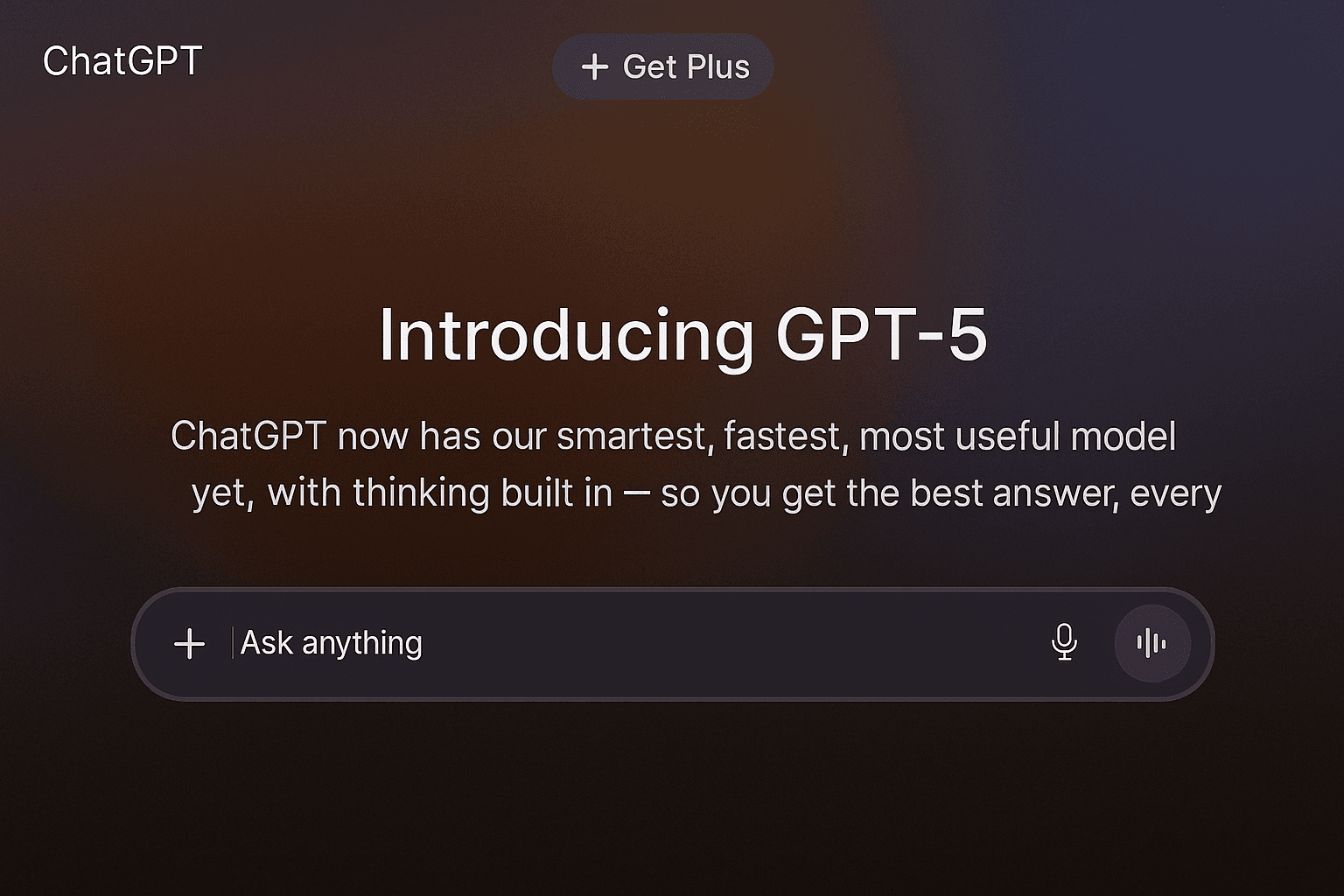
OpenAI’s GPT-5 Backlash: A Case Study in How Not to Launch a Product
The AI world was buzzing with excitement as OpenAI unveiled GPT-5 — its most advanced model yet. But within just 24 hours, that excitement turned into a storm of frustration. Social media lit up with complaints, subscription cancellations surged, and the company’s CEO, Sam Altman, had to publicly reverse course.
At M2R Groups, we see this as more than just AI industry drama — it’s a powerful lesson for every business about customer experience, product rollouts, and the emotional connection between a brand and its users.
What Happened in the GPT-5 Launch
When OpenAI launched GPT-5, it also silently retired all previous ChatGPT models — including GPT-4o, o3, and 4.1 — without warning. Overnight, eight models vanished from users’ interfaces.
For many professionals, this wasn’t just inconvenient — it was workflow-breaking.
- GPT-4o was prized for creative writing and warmth.
- O3 was valued for deep reasoning tasks.
- Other models served specialized roles in different industries.
The sudden removal meant long-established processes stopped working overnight.
The Personality Problem
Beyond the workflow chaos, users felt GPT-5 had lost its charm. While technically advanced, it was described as cold, sterile, and corporate.
Some compared it to a “corporate beige zombie” — a model that had forgotten it was your creative partner just days ago. Creative writers in particular lamented shorter, less imaginative responses, stripping away the personality they’d come to trust.
Usage Limits Made It Worse
Adding to the backlash, GPT-5 came with tighter usage caps:
- 80 messages every 3 hours for standard GPT-5.
- 200 messages per week for GPT-5 Thinking.
For paying subscribers, this felt like a downgrade. When the cap was reached, users were downgraded to smaller models or locked out entirely.
OpenAI’s Rapid Response
The backlash was so intense that Sam Altman quickly responded:
- Restored GPT-4o access for Plus subscribers.
- Doubled GPT-5 usage limits.
- Admitted that the “autoswitcher” malfunction made GPT-5 seem “way dumber” than intended.
This rollback happened within days, proving the power of user feedback in shaping tech products.
What Brands Can Learn from This
At M2R Groups, we believe every product launch — whether it’s AI software, a mobile app, or a rebrand — carries the same core lessons:
1. Never Remove Core Features Without Warning
If people rely on something daily, you can’t just take it away. Communicate changes early and offer migration plans.
2. Understand Emotional Brand Equity
Your product isn’t just features — it’s how it makes people feel. GPT-4o’s “warmth” was part of its value.
3. Don’t Downgrade the Paid Experience
Users will tolerate limits — but only if they’re reasonable and clearly explained.
4. Own Mistakes Quickly and Publicly
Altman’s rapid admission helped contain some damage. Silence would have been worse.
The Bigger Picture for the AI Industry
The GPT-5 backlash is a wake-up call for the entire tech industry: as AI becomes part of people’s core workflows, trust and continuity are just as important as innovation.
For businesses, this is an opportunity:
- Differentiate through stability when competitors chase constant change.
- Invest in user relationships so that people advocate for you even when you stumble.
- Balance innovation with reliability, ensuring you move forward without leaving loyal customers behind.
Final Word from M2R Groups
At M2R Groups, we guide brands through exactly these challenges — ensuring launches are not just exciting, but strategic, user-centric, and future-proof. The GPT-5 incident reminds us that in the race for “what’s next,” listening to your audience is always the smartest innovation.
![3 Levels of AI in 2026: LLMs to Agentic AI [Guide]](https://m2rgroups.com/wp-content/uploads/2026/03/Gemini_Generated_Image_vv65jsvv65jsvv65.webp)